


Why do materials matter in Juntmotor Wiper Motor Factory operations
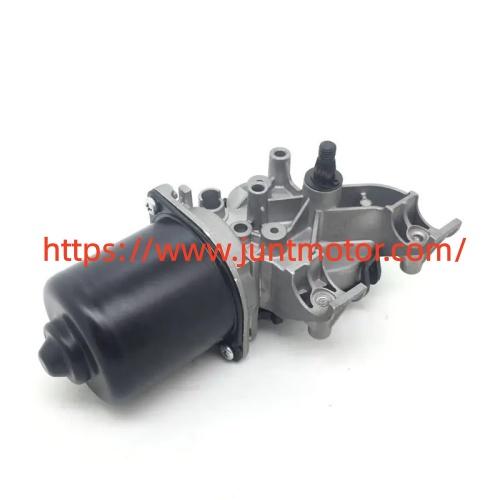
Wiper Motor Factory production environments rely on a careful combination of structural metals, conductive elements, and protective compounds to support consistent assembly work. In a typical setup, engineers prioritize materials that can handle continuous vibration, temperature variation, and long operational cycles. Steel, aluminum alloys, copper components, engineered plastics, rubber seals, and surface coatings are commonly integrated into the assembly workflow. Each material plays a role in maintaining stable performance of electromechanical units used in automotive systems.
Inside modern production sites, stainless steel is often selected for structural frames and mounting parts due to its resistance to corrosion and mechanical stress. Aluminum alloys are also widely used because they offer a balance between strength and reduced weight, making them suitable for compact assembly designs. Engineering plastics such as PA and PBT are chosen for housing components since they provide insulation and shape stability under heat exposure. These materials help maintain structural integrity during repeated operational cycles.
Copper remains a key material in electrical pathways, where consistent conductivity is required for stable energy transfer. Insulation layers surrounding these conductors are typically made from polymer blends that reduce risk of short circuits and environmental damage. In some sections of the production line, Juntmotor integrates standardized material testing to align component quality with operational expectations across different vehicle platforms.
Magnetic elements are also used within electromechanical assemblies to support controlled movement and energy conversion. These materials must be carefully processed to maintain consistent magnetic strength and long term stability. Alongside them, silicon-based compounds and rubber derivatives contribute to vibration reduction and sealing performance, helping internal structures remain protected from moisture and dust exposure.
In addition to core materials, surface protection plays an important role in production environments. Coatings applied to metal surfaces reduce oxidation and extend service life. Lubrication materials are introduced during assembly to reduce friction between moving interfaces, ensuring smoother operation across extended usage periods. These details collectively support functional stability without requiring frequent maintenance.
Material selection is not only about individual properties but also about how each element interacts within a complete system. Engineers evaluate heat resistance, mechanical load tolerance, and chemical stability before finalizing combinations. Supply chain consistency is another important factor, as variations in raw input can influence assembly precision and final output behavior.
Rubber sealing components are widely applied across enclosure structures to prevent external contamination. These seals help maintain internal cleanliness even in environments exposed to dust, rain, or temperature shifts. When combined with reinforced housing materials, they contribute to a stable operational environment for electromechanical assemblies used in transportation systems.
Production coordination often involves careful planning between material suppliers and assembly units. Juntmotor works with these processes by aligning incoming material specifications with internal testing stages, ensuring that each batch meets defined structural and functional expectations. This approach supports smoother integration across different assembly phases without introducing unnecessary variation.
As demand for reliable vehicle components continues to evolve, material science remains a central factor in production planning. Each element, from conductive wiring to protective coatings, contributes to the overall consistency of assembled units. A well-structured material system allows production sites to maintain stable output while adapting to different application requirements.
More technical details and product-related information can be found at https://www.juntmotor.com/product/

 English