


Zjrctools Glass Drill Bit Why Thickness Influences Surface Response
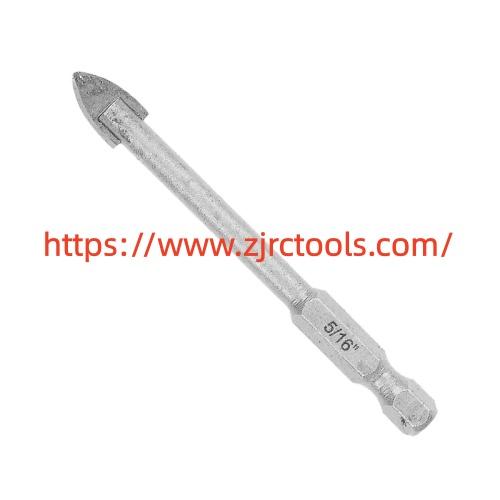
Glass Drill Bit selection often depends on how different panel thickness levels respond to contact pressure and rotational movement during installation or repair work. Each layer of material has a unique internal structure, and variations in depth influence how energy is distributed across the surface. Understanding these differences helps reduce unnecessary stress during operation and supports more stable handling across varied working conditions.
Thin panels tend to react quickly to applied force, which means even small changes in pressure or angle can influence the outcome. In contrast, thicker panels distribute force more gradually, requiring steadier and more sustained contact to achieve controlled penetration. These differences make it important to adjust technique according to material depth rather than applying a uniform approach across all conditions.
Surface composition also plays a role in determining response behavior. Some glass based materials contain internal tension variations that may influence how energy spreads during contact. In such cases, gradual engagement helps reduce uneven stress points. Maintaining consistent alignment throughout the process supports smoother interaction and helps prevent unnecessary surface disturbance.
Tool design factors such as tip geometry and coating characteristics contribute to overall handling stability. A well balanced design helps maintain consistent contact with the surface, especially when working across different panel depths within the same project. Heat management also becomes relevant during extended use, as prolonged friction can influence surface behavior and operational consistency.
In professional construction and renovation environments, Zjrctools offers solutions designed to adapt to varying material conditions. The focus is on providing stable performance across different thickness levels so users can handle multiple installation scenarios without frequent adjustments. This adaptability supports more efficient workflow across mixed material environments.
Working technique is equally important in achieving stable results. Starting with light surface contact allows better observation of material response before gradually increasing pressure. Maintaining steady alignment helps reduce uneven force distribution, while controlled motion ensures more predictable interaction with the surface. These practices are especially useful when working across mixed depth installations in residential or commercial projects.
Environmental factors such as temperature, dust levels, and workspace stability may also influence performance consistency. Clean working conditions support smoother contact, while stable positioning helps maintain alignment throughout the process. Regular pauses during extended operation can help reduce heat buildup and maintain consistent handling behavior.
Maintenance practices play a supporting role in long term usability. Cleaning after each use helps prevent residue buildup that may affect future contact quality. Proper storage in dry conditions reduces surface degradation and helps maintain consistent performance across repeated applications. Periodic inspection also helps identify early signs of wear that may influence operational stability.
Zjrctools continues to develop solutions that consider real world construction needs, focusing on adaptability across different installation conditions and material variations. Careful selection based on panel depth and surface characteristics supports more controlled outcomes in varied project environments.
More product details and related options can be viewed at https://www.zjrctools.com/product/

 Italiano