


Revealed: South Korea Flat Glass Market Size Expected to Double by 2035
Recent insights indicate that the South Korea flat glass market is on a growth path that will see its size increase from 6.8 billion USD in 2024 to an anticipated 12 billion USD by 2035. This remarkable growth, translating to a CAGR of 5.3%, underscores the escalating demand for flat glass across various sectors. The market is driven by critical factors such as technological advancements, ongoing urbanization, and increased focus on sustainability. As architectural and automotive applications continue to evolve, the necessity for high-quality flat glass products will become even more pronounced, signaling a robust future for the industry. Investors and stakeholders are keenly observing these developments, as they hold substantial implications for market dynamics.
An examination of the South Korea flat glass market reveals that leading players are actively shaping its competitive landscape. Key industry participants such as Guardian Industries (US), Schott AG (DE), and AGC Inc. (JP) are at the forefront of innovation, driving advancements in product offerings that cater to the growing demand for energy-efficient solutions. The competitive environment is characterized by strategic alliances and investments aimed at enhancing manufacturing capabilities and expanding market reach. Companies like Xinyi Glass Holdings (HK) and NSG Group (JP) are also crucial players, contributing significantly to market momentum through their commitment to research and development in sustainable glass technologies The development of south korea flat glass market size continues to influence strategic direction within the sector.
Several dynamics are influencing the South Korea flat glass market size. The construction segment remains the largest contributor, propelled by increasing investments in infrastructure and residential projects. As urbanization accelerates, the demand for architectural glass is expected to soar, further propelling market growth. In tandem, the automotive segment is emerging as a significant growth driver, spurred by innovations aimed at improving vehicle safety and energy performance. However, the market is not without challenges; fluctuating raw material costs and competitive pressures may pose risks to sustained growth. Moreover, the industry's shift towards sustainability necessitates that manufacturers adapt quickly to changing regulatory frameworks and consumer preferences.
Analyzing the South Korea flat glass market reveals diverse regional applications that respond to specific demand drivers. The architectural segment is expected to dominate market size, with projections indicating a growth trajectory that could reach 8 billion USD by 2035. This growth is indicative of the ongoing urban redevelopment projects and government initiatives aimed at boosting infrastructure. In contrast, the automotive segment is seeing rapid growth, with estimates suggesting a market size expansion from 1.5 billion USD in 2024 to 2.5 billion USD by 2035. This reflects a broader global trend towards lightweight materials and advanced vehicle designs, enhancing overall safety and energy efficiency.
Opportunities abound in the South Korea flat glass market, particularly in aligning with sustainability and technological trends. The shift towards energy-efficient glass products is a cornerstone of market dynamics, as consumers and businesses increasingly prioritize environmental considerations. Additionally, the integration of smart technologies, such as smart glass and energy-efficient coatings, presents a new frontier for growth. Companies that can effectively harness these trends will likely experience significant market advantages. Prominent market players, including China National Building Material (CN) and K glass (CN), are making strategic investments to expand their product lines and address evolving consumer preferences, positioning themselves well for future success.
In 2023, around 40% of the flat glass consumed in South Korea was utilized in the construction sector, highlighting the importance of architectural projects in shaping market trajectories. The government’s commitment to green building initiatives has further fueled this demand, as it incentivizes the adoption of energy-efficient materials. For instance, the "Green Building Certification System" launched in South Korea encourages developers to use sustainable resources, including high-performance glass. This initiative not only supports environmental goals but also drives demand for innovative glass solutions, resulting in a projected 15% annual growth in the architectural segment alone over the next five years.
Looking ahead, the South Korea Flat Glass Market is expected to maintain its growth momentum, driven by innovation and sustainability initiatives. By 2035, the market is projected to reach a size of 12 billion USD, reflecting a strong commitment to energy-efficient solutions and advanced manufacturing processes. Experts anticipate that technological advancements, especially in AI and automation, will enhance production efficiency and reduce costs. As the market evolves, stakeholders must remain vigilant and adaptable, ready to seize new opportunities that arise as consumer preferences continue to shift towards sustainable options.
Here are additional report links from Market Research Future:
| microporous insulation market |
| chlorinated polyvinyl chloride market |
| linear alpha olefin market |
| barrier film market |
| spiral membrane market |
Sponsored
Sponsored
Categories
Read More
The global healthcare landscape is witnessing a significant shift toward precision medicine, where molecular-level diagnostics play a pivotal role. The Nuclear Imaging Systems Market is a cornerstone of this transition, providing clinicians with the ability to visualize physiological processes within the body rather than just anatomical structures. By utilizing small amounts of...

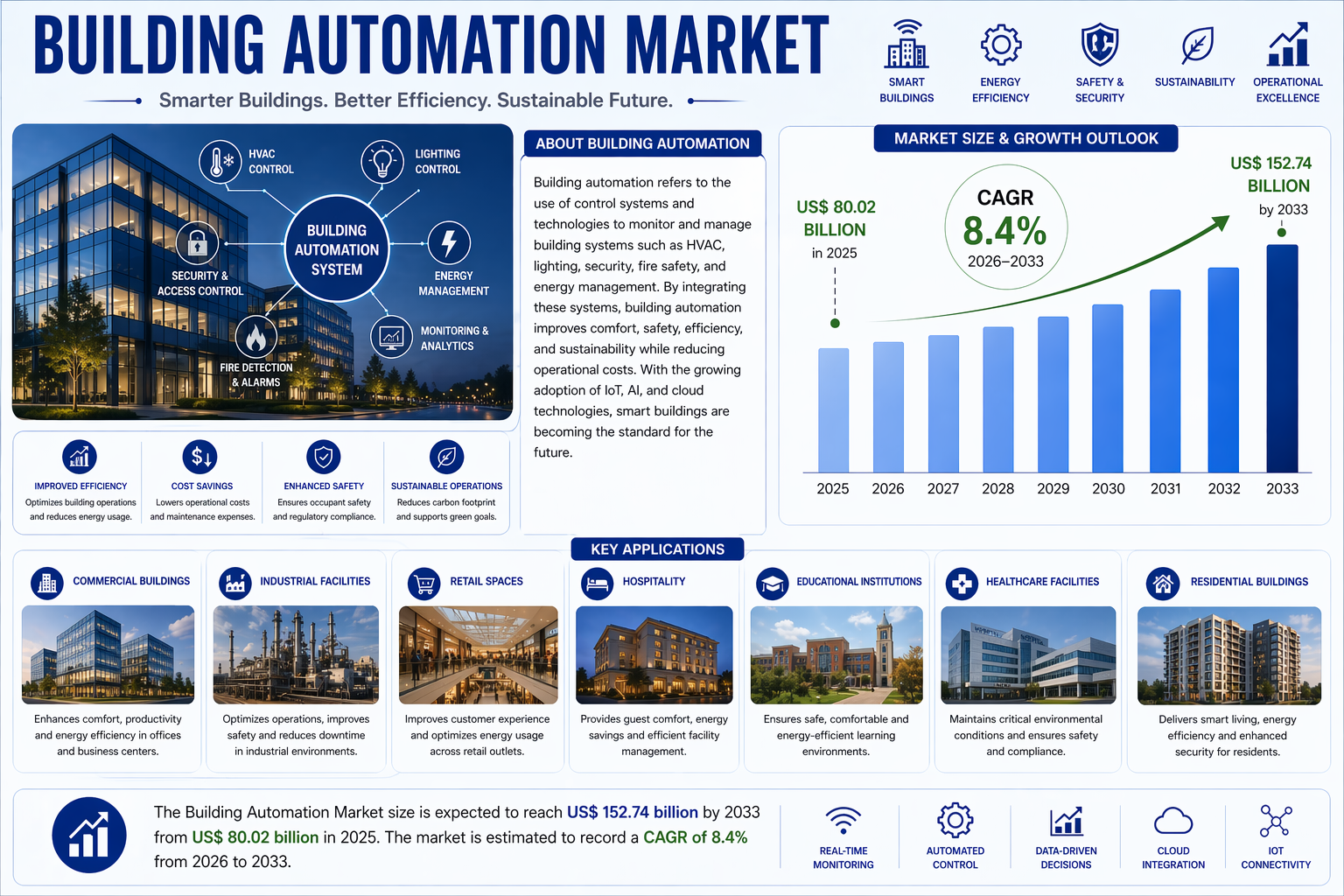
The global landscape of infrastructure is undergoing a radical transformation, driven by the integration of intelligence into physical spaces. The Building Automation Market is at the forefront of this evolution, redefining how commercial, industrial, and residential structures operate. Building Automation Systems (BAS) provide a centralized, networked system of hardware and software that...
Today, I’m excited to present the final update for the Chaos Lich build in Path of Exile 2. This guide will walk you through everything you need to go from level one to the min-max version of the build I’m currently using for endgame content. Whether you’re eager to start leveling, mapping, or even tackling late-game bosses, this comprehensive guide has you covered. To enhance...

Ciao a tutti. Sono Andrea ma potete chiamarmi Andi. Sono un appassionato di Musica, balli caraibici, Fumetti, Cinema. Mi piace promuovere eventi che possano creare aggregazione e stimolare la creatività. Nella mia attività principale svolgo la funzione di consulente mentre la domenica ed ogni volta che mi è possibile mi "trasformo" in addetto alle vendite di...
