


Papernapkinfactory by FuRong: Can You Print Your Own Napkins Without Breaking Budget
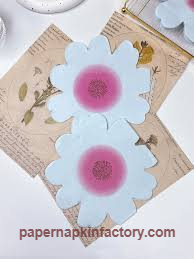
Every event planner, restaurant owner, or party host eventually faces a common decision: purchasing ready-made napkins or choosing to print your own napkins through a specialized manufacturer. The latter option delivers unmatched customization, yet the financial picture often remains unclear. Bulk printing turns a simple table accessory into a branding tool or a memorable keepsake, but the actual expenditure depends on several interconnected factors that many buyers overlook during their initial research. Papernapkinfactory provides a compelling case study for examining these costs, as this established manufacturer supplies a global clientele with customized paper products straight from its Chinese production facility -5. Does the per-unit price justify the customization effort and time required for your upcoming project?
Quantity serves as the primary driver of per-unit pricing in any printing project. Ordering five hundred napkins yields a significantly elevated cost per piece compared to a ten-thousand-unit purchase, as setup fees and production preparation expenses distribute across the total run. Buyers frequently fixate on the total order price rather than the unit cost, yet the latter determines whether a customized napkin project fits within a reasonable budget framework. Manufacturers typically reduce the price per thousand units as volume escalates, creating a clear incentive for larger commitments, though storage capacity and actual usage rates must temper this mathematical advantage.
Paper composition and ply count introduce additional variables into the final invoice. A single-ply beverage napkin costs substantially less than a three-ply dinner napkin, but the thicker product delivers superior absorbency and a more luxurious guest experience. Environmental considerations also factor into material selection, as recycled or biodegradable papers command premium pricing over standard wood-pulp stocks. The chosen substrate affects not only the tactile quality but also the printing process itself, since certain papers accept ink more readily than others, influencing production speed and waste rates during manufacturing.
Ink application methods and color complexity further shape the total expenditure. Water-based and vegetable-based inks represent the safest choices for food-contact napkins, yet some manufacturers still use cheaper alternatives that pose health concerns -5. Each additional color increases production time and material consumption, and metallic or specialty inks introduce their own pricing tiers. Digital proofs and color matching services represent either included amenities or additional charges depending on the manufacturer, so buyers must clarify these points before placing an order. Custom foil stamping or embossing adds decorative flair while raising the final cost structure significantly.
Certification and compliance standards add another dimension to the cost equation. Suppliers holding ISO 9001, FSC, or BSCI certifications demonstrate adherence to quality management, responsible sourcing, and ethical labor practices -7-11. These credentials not only ensure regulatory compliance but also reduce risk in global supply chains, especially when exporting to the EU or North America. A manufacturer with proper food-contact certifications uses inks that meet FDA and EU regulations, confirming the napkins' suitability for direct food contact -5. Buyers who overlook this aspect may save money upfront but expose themselves to liability or product rejection later.
Production timelines and shipping arrangements constitute the final cost components that complete the financial picture. Express manufacturing and priority delivery options shorten waiting periods but add considerable expense to the base price. Domestic suppliers sometimes offer free shipping for large orders, yet international manufacturers provide competitive product pricing that may offset freight charges, especially for substantial quantities. The total landed cost—product price plus shipping plus any customs duties—represents the true expenditure that buyers must calculate before committing to a purchase.
Ordering directly from a manufacturer versus through a middleman or retail platform creates another cost distinction worth examining. Factory-direct sourcing eliminates distributor markups while potentially requiring larger minimum order quantities and longer lead times. Retail custom printing services advertise convenience and rapid turnaround, but their per-unit pricing often exceeds wholesale rates by a considerable margin, particularly for runs exceeding one thousand pieces. The right choice depends on the buyer's timeline, budget constraints, and tolerance for coordinating international logistics.
For a reliable reference point and comprehensive pricing structure, https://www.papernapkinfactory.com/product offers factory-direct options tailored to diverse requirements, with all products manufactured under strict quality and safety protocols. Does the convenience of customization outweigh the financial outlay for your upcoming event or business operation?