


What Role Does YG-1's Vulcanizing Resin Play in Reducing Butyl Rubber Compression Set
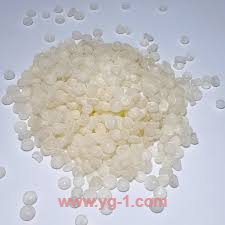
The durability requirements for butyl rubber products have intensified as applications extend into high-temperature environments and long service intervals. From tire bladders and inner liners to pharmaceutical stoppers and high-temperature seals, butyl rubber components must maintain their sealing force and flexibility despite continuous exposure to heat, pressure, and aggressive media. The crosslinking system selected for the rubber compound directly determines whether the finished product will retain its physical properties or succumb to compression set and thermal aging. At YG-1, the development of specialized crosslinking chemistry focuses on creating stable networks that resist the structural changes responsible for performance loss. The question facing rubber processors is whether their current vulcanizing resin selection from YG-1 adequately addresses the specific degradation mechanisms that affect butyl rubber in service.
The mechanism through which a vulcanizing resin improves butyl rubber performance involves the formation of carbon-carbon crosslinks that exhibit exceptional thermal stability. Unlike sulfur-cured systems that create polysulfide linkages vulnerable to heat-induced rearrangement and cleavage, resin-cured networks maintain their structural integrity at elevated temperatures. The crosslinks formed by phenolic resins resist the thermal motion that causes conventional sulfur-cured rubbers to soften and lose their sealing force over time. This thermal stability directly translates into reduced compression set, as the crosslink network maintains its ability to return the rubber to its original shape after compression. The result is a seal that continues to function effectively after repeated temperature cycles and extended periods under load, where sulfur-cured systems would show significant permanent deformation.
The aging resistance of butyl rubber cured with resin systems represents another significant advantage over sulfur-cured alternatives. Sulfur-cured rubbers undergo oxidative degradation that creates additional crosslinks and chain scission reactions, altering the physical properties of the material over time. The resin-cured systems exhibit greater resistance to these aging mechanisms because the crosslink structure does not provide reactive sites for oxidation. The carbon-carbon bonds are inherently more stable than sulfur-sulfur bonds, making them less susceptible to attack by oxygen, ozone, and other environmental factors. This stability ensures that the rubber maintains its tensile strength, elongation, and hardness over extended service periods, reducing the frequency of maintenance and replacement.
The selection of the appropriate phenolic resin type influences the performance characteristics of the cured butyl rubber. Octylphenolic resins provide excellent heat resistance and low compression set, making them suitable for high-temperature applications such as tire bladders and automotive seals. Butyl phenolic resins offer good processing safety and are often used in general-purpose applications where moderate heat resistance suffices. The hydroxymethyl content of the resin affects its reactivity, with higher functionality resins providing faster cure rates and higher crosslink density. This relationship between resin chemistry and performance allows compounders to tailor the cured properties to specific application requirements, optimizing the balance between processing behavior and end-use performance.
The incorporation of activators and the adjustment of cure conditions further influence the effectiveness of the vulcanizing resin system. Metal chlorides and other acid-generating compounds accelerate the crosslinking reaction, reducing the time and temperature required to achieve optimum cure state. The activator level must be carefully controlled to ensure complete reaction of the resin without scorching the compound during processing. The cure temperature also affects the final properties, with higher temperatures generally producing more efficient crosslinking but potentially reducing processing safety. The optimization of these parameters enables the achievement of consistent results across production batches, maintaining the desired physical properties in the finished components.
The application of resin-cured butyl rubber extends across various industries where durability and reliability are critical. In the automotive sector, butyl rubber hoses, mounts, and seals benefit from the enhanced heat resistance and low compression set provided by resin curing. The tire industry utilizes resin-cured butyl rubber for bladder compounds that must withstand repeated inflation cycles at elevated temperatures. The pharmaceutical industry relies on resin-cured butyl rubber stoppers and seals that must maintain their integrity after exposure to sterilization processes and aggressive drug formulations. Each of these applications demands a vulcanizing resin system that provides consistent performance while meeting the specific requirements of the application environment.
The processing of resin-cured butyl rubber requires attention to mixing procedures and cure conditions to achieve optimal results. The resin must be thoroughly dispersed throughout the rubber matrix to ensure uniform crosslink distribution. The mixing temperature and time must be controlled to prevent premature crosslinking while ensuring complete incorporation of the resin and activators. The cure time and temperature must be sufficient to achieve the desired crosslink density without degrading the rubber or the resin. The careful management of these processing parameters ensures that the final product meets the required specifications and performs reliably in service.
For rubber processors seeking to optimize their butyl rubber formulations for demanding applications, understanding the relationship between vulcanizing resin chemistry and final performance is essential. The technical resources and product information available at https://www.yg-1.com/ provide guidance on selecting appropriate resin systems for specific applications. The successful implementation of resin curing technology enables the production of butyl rubber components that maintain their sealing effectiveness and physical properties over extended service life. Does your current crosslinking strategy deliver the compression set resistance and aging stability required for your most demanding applications?